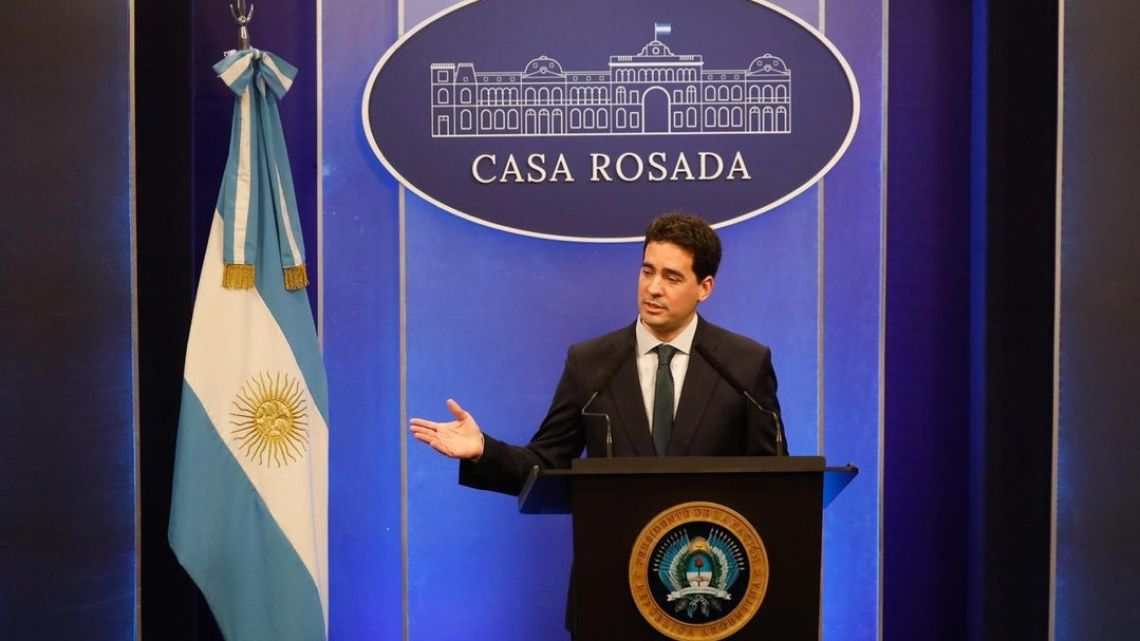
Official relations between South America's two largest economies faced renewed strain after Argentina announced that President Javier Milei will not issue a diplomatic statement congratulating Brazilian President Luiz Inácio Lula da Silva on his recent re-election. The decision underscores the persistent ideological rift between the two leaders, who have routinely clashed over political philosophy, trade vision, and international alliances since Milei assumed office in late 2023.
Addressing reporters at a press conference, Argentine presidential spokesman Adrián Ravier confirmed that while the administration had taken note of the election outcome, no official message of congratulations would be forthcomng. Ravier pointed to ideological fundamental differences between the leaders, arguing that Milei chose to avoid diplomatic insincerity. Ravier also justified the stance by alleging that Lula had withheld similar courtesies when Milei was elected, though public records indicate the Brazilian president did post a formal message recognizing Argentina's democratic process and wishing the incoming administration success.
Deepening Ideological Divide
The friction between Buenos Aires and Brasília is far from new. Milei, a staunch libertarian who has aligned his foreign policy closely with Washington and Tel Aviv, has repeatedly taken aim at Lula’s left-leaning platform. During campaign cycles, Milei actively voiced support for political rivals of the current Brazilian government, further souring personal and institutional dynamics between the heads of state.
"When an Argentine doesn't like what Brazil is doing, we know we are in the right track."
Despite the refusal to send a celebratory note, official representatives insisted that bilateral ties between the citizens and economies of both nations would remain stable. Argentina emphasized that formal diplomatic interactions and ongoing cooperation through the Mercosur regional trade bloc are expected to continue without disruption. Ravier noted that economic pragmatic connections and cultural bonds between the neighboring populaces transcend the temporary political differences of their respective leadership.
Regional Reactions and Economic Ties
Across the region, observers and citizens have offered mixed reactions to the mounting political frost. While some view the refusal as a breach of long-standing diplomatic courtesy between two historically intertwined nations, others see it as a predictable outcome given the stark polarization currently shaping South American politics.
"Argentina and Brazil are two brotherly peoples. Diplomacy continues on the Argentine side, commercial relations continue, and we do not expect any of this to affect the work we are carrying out within Mercosur."
As both governments navigate their economic priorities and regional agendas, the ongoing frosty exchange highlights the challenges facing Latin American integration. Whether trade pragmatic necessity will keep daily operations smooth despite leadership friction remains the central question for observers on both sides of the border.

