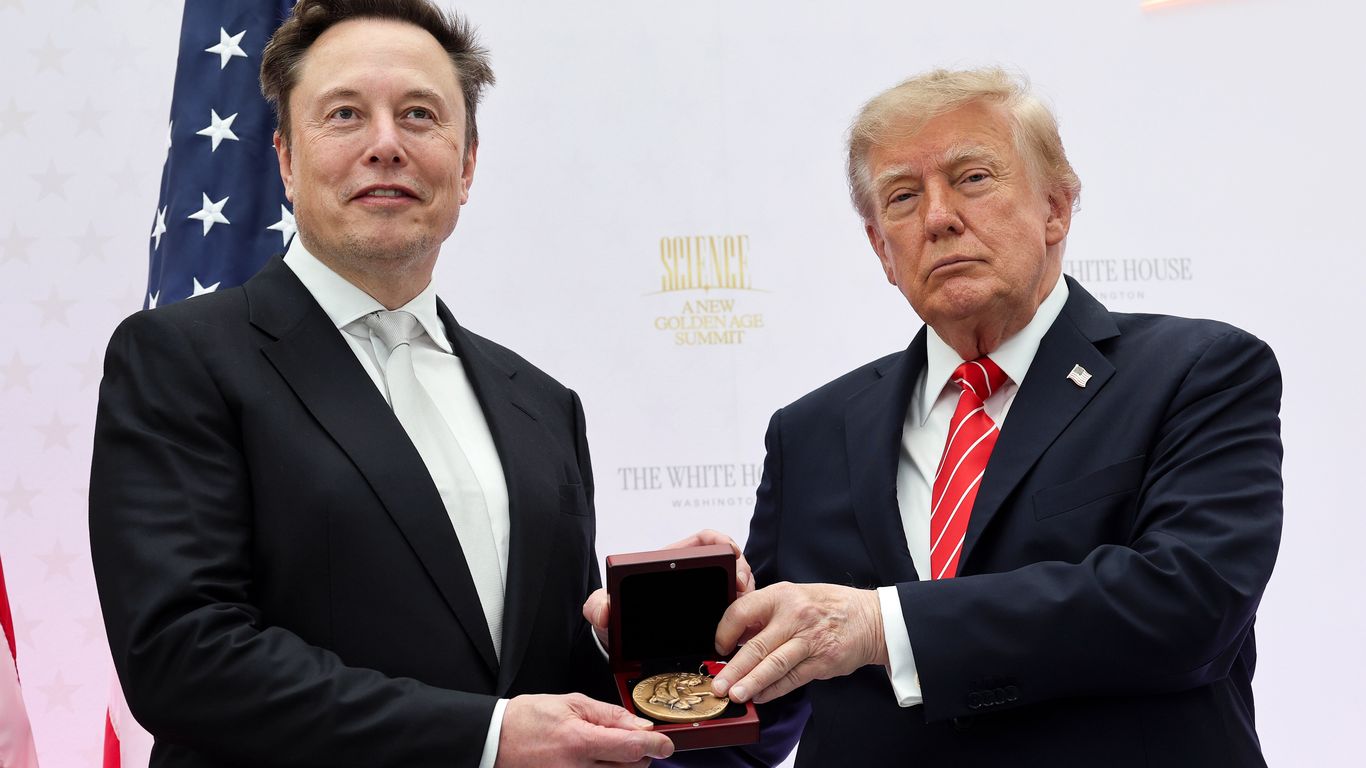
Trump's Pledge to Protect Musk
Former President Donald Trump has made a bold statement, vowing to protect Elon Musk if Democrats initiate investigations against the SpaceX and Tesla CEO post-midterm elections. This pledge, made on Monday, has raised eyebrows and sparked discussions about the potential consequences and motivations behind it.
"Time to drop the really big bomb: Donald Trump is in the Epstein files. That is the real reason they have not been made public. Have a nice day, DJT!" - A commenter raises a concerning point, hinting at a potential connection between Trump and the Epstein case.
Trump's promise to shield Musk comes amidst speculation and allegations surrounding Musk's involvement or knowledge of certain matters. The comment about the "Epstein files" adds a layer of intrigue, suggesting a potential link between the two figures.
Pre-emptive Pardons: A Controversial Move
In addition to his pledge to protect Musk, Trump has floated the idea of pre-emptive pardons for his staff and associates. This suggestion has sparked debates and concerns about the abuse of power and the potential implications for future investigations.
"Why do they need to pardon if they're not doing anything wrong? Unless? Wait a Minute!" - A commenter questions the need for pardons, implying a potential underlying reason.
The concept of pre-emptive pardons is a controversial one. While some argue that it provides a necessary safeguard against potential miscarriages of justice, others see it as an abuse of power, especially when used preemptively.
The Pardon Power Debate
The discussion around Trump's pardon promise has reignited debates about the pardon power itself. Many commenters express concerns about the potential for abuse and the need for reform.
"We need to get rid of the pardon or at least make it a jury trial and not automatic." - A commenter suggests limiting the pardon power to prevent its misuse.
"The pardon power needs to be looked at. Biden should not have preemptively pardoned the people he did, either. This is just going to keep spiraling." - Another commenter calls for a reevaluation of the pardon power, highlighting its potential consequences.
The idea of limiting or reforming the pardon power has gained traction, with suggestions ranging from requiring specific details of the crimes pardoned to granting pardons only after conviction. Some even propose removing pardons altogether, arguing that no one should be above the law.
Implications for Investigations
Trump's pledge to protect Musk and the possibility of pre-emptive pardons raise questions about the impact on potential investigations. Commenters point out that pardons may not shield individuals from state-level charges or investigations, leaving room for accountability.
"Pardons aren’t going to protect him from investigations and state DOJs." - A commenter highlights the limitations of pardons.
The ability to investigate and hold individuals accountable, regardless of presidential pardons, is seen as crucial by many. Commenters suggest that state-level charges and investigations could still bring justice, even if federal pardons are granted.
A Confession of Guilt?
Some commenters interpret Trump's actions as a confession of guilt, suggesting that the very act of offering pre-emptive pardons implies knowledge of potential wrongdoing.
"This is a confession of guilt." - A commenter's blunt assessment.
The idea that pardons could be seen as an admission of guilt adds another layer of complexity to the debate. It raises questions about the ethical implications and the potential impact on public perception.
Moving Forward
As the discussions surrounding Trump's pardon promise continue, the future of the pardon power and its potential reform remain uncertain. The debates highlight the need for a balanced approach, ensuring justice and accountability while preventing abuse.
The ongoing dialogue surrounding this issue reflects a broader concern about the integrity of the justice system and the role of the presidency. It remains to be seen how these discussions will shape the future of pardons and investigations in the United States.

