The Chess Match of Fantasy MMA: Why UFC 332 Is a Masterclass in Risk and Momentum
There is something uniquely intoxicating about looking at a major fight card through the lens of fantasy sports. Personally, I think fantasy MMA forces you to look past the casual fan's obsession with pure hype and confront the cold, hard mechanics of human performance. When the UFC rolls into Salt Lake City's Delta Center for UFC 332, headlined by a vacant flyweight title clash between Wang Cong and Natalia Silva, it isn't just a night of fights—it's a psychological puzzle. What makes this particular event fascinating is how starkly it highlights the eternal war in combat sports: the unstoppable, violent ascent of youth versus the stubborn, calcified legacy of veterans.
From my perspective, too many players approach Daily Fantasy Sports like a basic statistics spreadsheet, treating human beings like algorithmic data points. But if you take a step back and think about it, fantasy MMA is really about predicting human breaking points. You aren't just betting on who has a two-inch reach advantage; you are betting on who has more left in the emotional and physical tank when the cage door locks. Let’s dive into how some of the key matchups on this card completely embody these larger trends.
The Legend's Twilight: Navigating the Alexander Hernandez Dilemma
One thing that immediately stands out on the early prelims is the collision between Alexander Hernandez and former lightweight kingpin Rafael Dos Anjos. In my opinion, this fight is a textbook example of the hardest emotional hurdle fantasy players face: letting go of past greatness. Dos Anjos is a living legend of the sport, a fighter who has seen it all, but at 41 years old and returning after a nearly two-year layoff, we have to ask ourselves a blunt question. How much magic can a human body realistically summon after a three-fight losing streak and years of wars inside the Octagon?
What many people don't realize is that public sentiment heavily distorts fantasy pricing in these legacy matchups. Casuals see the name Rafael Dos Anjos and automatically think value, forgetting that Father Time is undefeated. Hernandez, eight years younger and entering with a point-to-prove chip on his shoulder after a recent setback, presents a fascinating structural advantage here. He pushes a higher volume of significant strikes and holds crucial athletic momentum. If you look at his historical floor—consistently clearing high fantasy thresholds in his victories—this isn't just about picking a winner; it's about recognizing when a torch is about to be violently passed.
Generation Next: The Physical Anomaly of Ateba Gautier
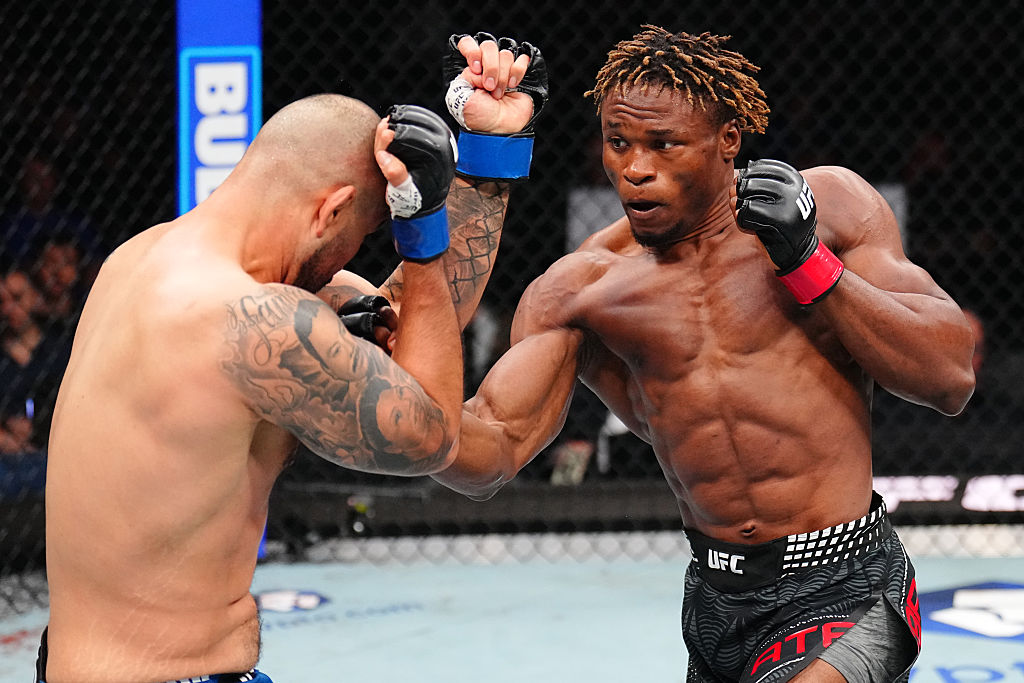
If Hernandez represents the grit of staying relevant, Ateba Gautier represents the terrifying future of modern mixed martial arts. Opening up the main card against Roman Kopylov, Gautier at just 24 years old with a ten-fight win streak is the kind of prospect that keeps division veterans up at night. A detail that I find especially interesting is how raw physical geometry dictates modern fighting trends. Standing four inches taller with an astonishing six-inch reach advantage over Kopylov, Gautier isn't just winning fights; he is dismantling opponents through sheer athletic supremacy and concussive knockout power.
What this really suggests is that the standard for striking depth in the middleweight and surrounding divisions is shifting toward taller, longer, hyper-explosive athletes who can dictate range effortlessly. Kopylov is no slouch, but he hasn't flashed that finishing upside consistently over the past two years. When you have a generational athlete averaging massive fantasy returns and packing nine knockouts in his last ten wins, he becomes an absolute must-watch asset. Personally, I think players who fade guys like Gautier out of caution are missing the entire point of high-upside fantasy strategy: sometimes, you just have to ride the wave of a physical anomaly.
The Ultimate Value Play: Wang Cong’s Championship Ascent
Perhaps the most compelling narrative of the entire night sits right at the very top of the bill: Wang Cong challenging Natalia Silva for the vacant women's flyweight crown. Silva is riding an incredible 14-fight winning streak, which makes her look invincible on paper. But if you dig deeper into the striking metrics, an entirely different reality emerges. Cong lands nearly seven significant strikes per minute with a blistering 58 percent accuracy rating, and she's carrying a very friendly price tag for fantasy lineups.
This raises a deeper question about how we value momentum versus efficiency. Silva has the shinier resume and the extended streak, but Cong's sheer offensive output is staggering. In fantasy MMA, volume is king, and fighters who throw heavy, accurate combinations rack up the DraftKings points regardless of whether they coast to a decision or find a stoppage. What fascinates me about Cong's price point is that it gives savvy players the salary relief needed to stack high-end studs while still rostering a legitimate championship-caliber talent.
The Broader Picture: Why DFS Changes How We Watch the Fight
Ultimately, events like UFC 332 remind us why mixed martial arts remains the most dynamic sport on the planet. It is never just about who is better in a vacuum; it is about timing, physical geometry, psychological motivation, and the inevitable generational shift. When you build your fantasy lineup this weekend, don't just look at the numbers—look at the human story behind every single price tag. Ask yourself who is hungry, who is fading, and who is simply built for the modern era of fighting. That is where the real edge lives.