A Divisive Proposal
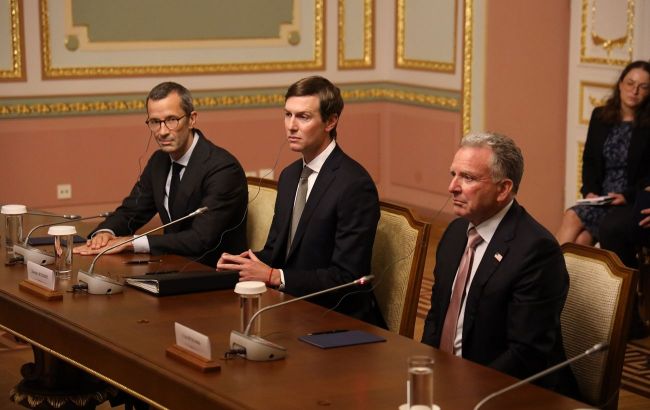
The US has once again found itself at the center of a controversial diplomatic initiative, this time pushing for the resumption of Russian gas supplies to Europe. According to sources, Trump's special envoys, Steve Witkoff and Jared Kushner, proposed the idea during their visits to Kyiv and Moscow in September.
The proposal envisages selling Russian gas through an American intermediary, effectively bypassing European sanctions and creating a lucrative opportunity for US investors. However, this move has been met with skepticism and resistance from European leaders and officials.
European Opposition
European countries, led by their largest nations, have made it clear that they are not interested in becoming dependent on Russia again, especially given the ongoing conflict and Russia's status as a strategic threat. Under EU legislation, all purchases of Russian gas must be phased out by the end of 2027, a decision that reflects the bloc's commitment to energy independence and security.
"The idea of resuming purchases of Russian gas runs counter to everything Europeans stand for," said a senior official from a Scandinavian country. Another official from a major European nation likened the proposal to Neville Chamberlain's decision to sacrifice Czechoslovakia to Hitler, emphasizing the potential risks and consequences.
US Motivation
The US administration believes that restoring Russia's access to the European natural gas market could provide a powerful incentive for Russian President Vladimir Putin to agree to a broader peace deal. It would also generate much-needed revenue for Ukraine through fees and transit payments.
White House officials proposed that the proceeds from gas sales to Europe be deposited into an escrow account in a third-country jurisdiction, aiming to prevent the Kremlin from using the funds to finance the war. This measure, however, has not alleviated European concerns.
A Broader Context
The US proposal comes at a time when Ukraine has resumed its air campaign against Russian oil refineries, adding urgency to the need for an energy truce. Moscow, meanwhile, has been supplying diesel fuel to the US while continuing its attacks on Ukraine's energy infrastructure.
The US is also considering the possible resumption of Nord Stream operations as part of a broader deal aimed at ending the war in Ukraine and resolving disputes between Russia and America's European allies. However, European opposition to renewed gas supplies remains firm, with officials emphasizing their commitment to energy security and independence.
A Troubling Trend
"The fact this was even suggested tells you everything you need to know," commented one user. The proposal has been widely criticized as a desperate attempt to enrich certain individuals and undermine European unity and security.
"It's sickening that Americans seem fine with all this," said another user, expressing concern about the potential consequences of such a deal. The idea of Ukraine helping Russia make money while its territory is occupied and its cities bombed is absurd and unacceptable to many.
A Complex Geopolitical Landscape
The US-proposed plan highlights the complex dynamics and competing interests within the international community. While the US administration sees an opportunity to exert influence and secure economic gains, European countries are focused on their energy security and the long-term stability of the region.
As the situation unfolds, it remains to be seen whether the US will succeed in convincing Europe to resume Russian gas supplies. The outcome of this diplomatic effort could have far-reaching implications for the future of European energy policy and the transatlantic relationship.
Conclusion
The US proposal to resume Russian gas supplies to Europe has sparked a heated debate, with European leaders and officials firmly opposed to the idea. The proposal, seen as a potential incentive for a peace deal, has raised concerns about energy security, dependence on Russia, and the potential for blackmail. As the midterm elections approach, the future of this controversial initiative remains uncertain, leaving many questioning the true motives behind it.

